Old Coin Identifier — Identify Antique & Vintage Coins
From your grandfather’s drawer to a flea market find — identify any old, antique, or vintage coin from a single photo. Get the year, mint, denomination, country, and current market value in seconds.
What Counts as an “Old” Coin
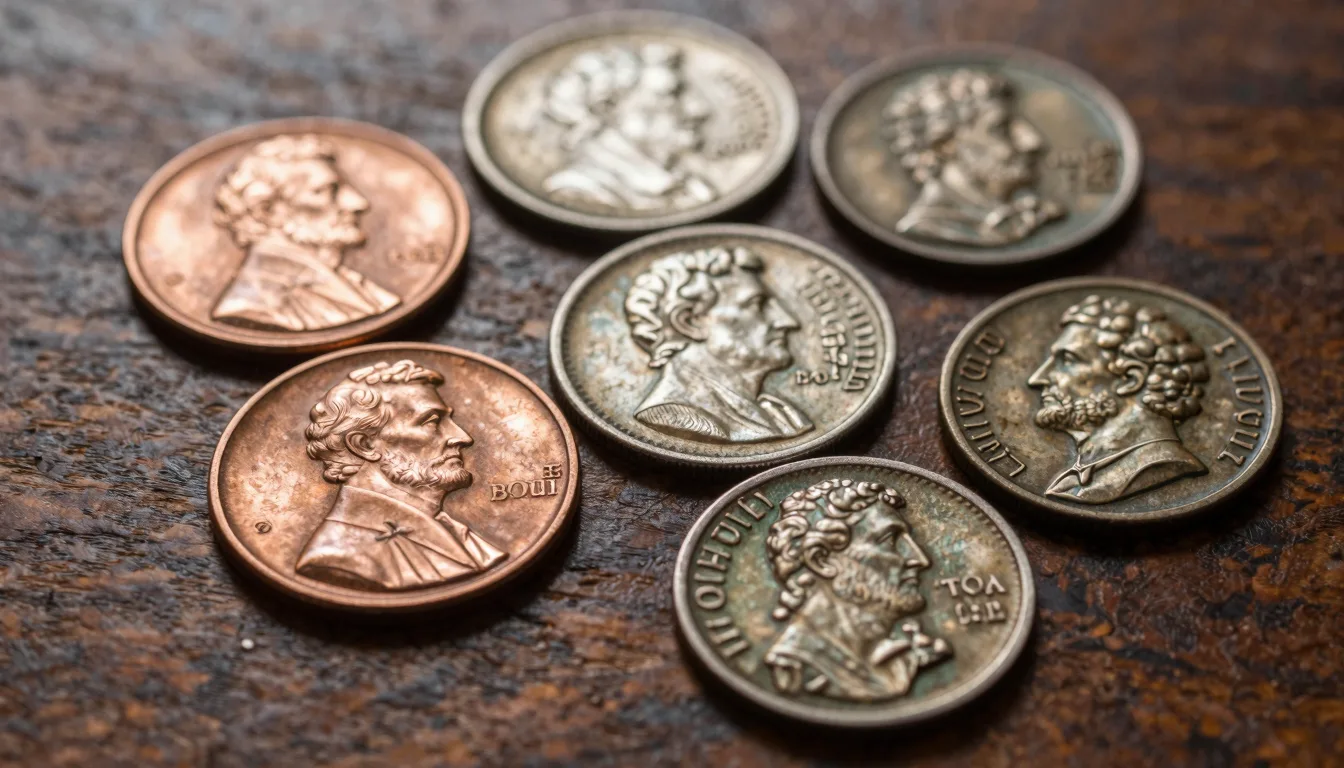
In numismatics, an “old coin” usually means anything pre-1965 in the US (when silver was removed from dimes and quarters) or anything pre-1900 globally. “Antique” implies 100+ years old. “Ancient” specifically refers to Greek, Roman, Byzantine, and similar pre-medieval coinage.
These distinctions matter because identification methods and value drivers differ. A 1920s wheat penny is identified by date and mint mark; an 1800s European coin may need designer attribution; an ancient Roman denarius needs emperor and reverse type identification.
Common Markings on Antique Coins (Mint Mark, Date, Designer)
Most coins from the past 200 years carry four key identifying marks:
- Date — Usually on the obverse (heads side). On worn coins, the date is often the most damaged element.
- Mint mark — A small letter (D for Denver, S for San Francisco, CC for Carson City, P for Philadelphia after 1980) indicating where the coin was struck. Often near the date or below the main design.
- Designer initials — Many classic coins carry the designer’s initials in tiny letters. The 1909 VDB Lincoln cent is famous for this — Victor David Brenner’s initials on the reverse.
- Denomination — The face value, sometimes spelled out, sometimes abbreviated.
On worn coins, AI photo identification is often the only way to read these marks without a microscope.
Get Coinara — Premium AI Coin Identifier
Identify any old or antique coin from a photo. Snap a photo, get the coin’s identification, current market value, and historical context.
Wear Grades — Why Condition Matters
Coins are graded on the 70-point Sheldon scale, from Poor (P-1) to Perfect Mint State (MS-70). Old coins are usually in circulated grades (P-1 to AU-58). The grade dramatically affects value:
- P-1 to G-4 (Poor to Good) — Major details barely visible. Often worth only metal value.
- VG-8 to F-12 (Very Good to Fine) — Date and main design clear; lettering worn.
- VF-20 to EF-40 (Very Fine to Extremely Fine) — Most detail intact, mild wear on highest points.
- AU-50 to AU-58 (About Uncirculated) — Trace wear only on highest points, full mint luster in protected areas.
- MS-60 to MS-70 (Mint State) — No wear at all. Different grades within MS distinguish surface marks and luster quality.
For more on how grade affects price, see our coin value guide.
American vs. World vs. Ancient Coins
American coins are the most heavily documented and easiest to identify. Standard reference: A Guide Book of United States Coins (the “Red Book”), updated annually since 1947.
World coins (anything outside the US) require regional knowledge. Krause’s Standard Catalog of World Coins covers 1601 to present in 5 volumes. AI photo identification is especially useful here — manually identifying an unfamiliar foreign coin can take hours.
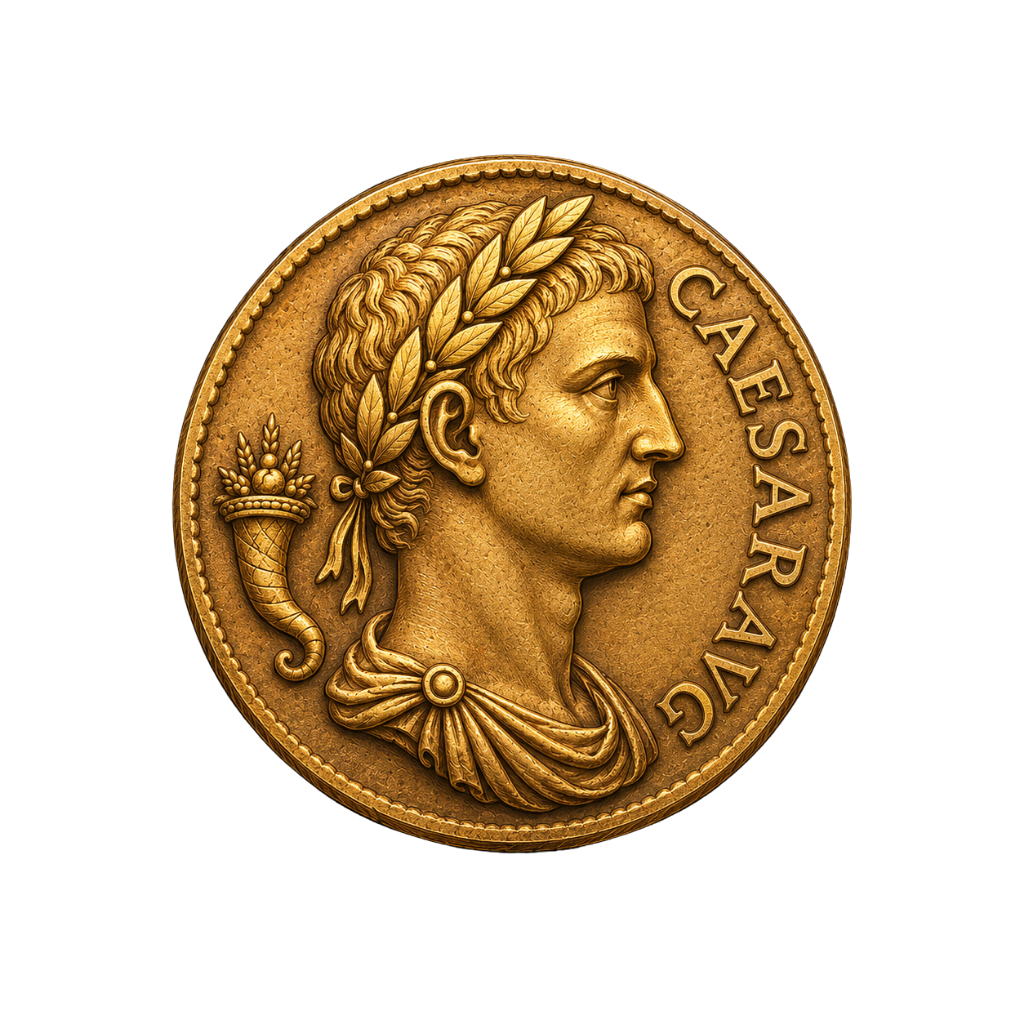
Ancient coins (Greek, Roman, Byzantine, etc.) need a specialist’s eye. Look for the emperor portrait (Roman), city symbol (Greek), or religious figure (Byzantine). RIC (Roman Imperial Coinage) and Sear’s Greek Coins are the standard references.
Fakes and Reproductions: How to Spot Them
The most commonly faked old coins are: 1909-S VDB Lincoln cents, 1916-D Mercury dimes, 1893-S Morgan dollars, 1804 “King of American Coins” silver dollars, and most ancient Greek and Roman coins. Common red flags:
- Wrong weight — Modern fakes often use the wrong alloy. A real silver Morgan weighs 26.73g; a fake might weigh 22g or 30g.
- Cast (not struck) appearance — Real coins are struck under pressure with sharp details. Cast fakes have soft, mushy details and often a faint seam on the edge.
- Wrong magnetic response — Silver and copper coins are non-magnetic. A magnet sticking is an instant fake signal.
- “Copy” stamping — Federal law since 1973 requires reproductions to be marked “COPY”. Many older fakes don’t have this, but many newer ones do.
- Suspiciously perfect surfaces — A coin from 1850 should show some wear or contact marks. Perfect surfaces on a circulated-era coin are suspect.
When to Get Professional Grading
Send a coin to PCGS or NGC for grading when its raw (uncertified) value exceeds about $200, when it’s a key date for the series, or when you’re considering selling at auction.
Grading typically costs $25–50 per coin and takes 2–8 weeks. The benefit: certified coins sell for substantially more than raw equivalents, because buyers no longer have to take your word on grade or authenticity.
For coins worth less than $100, raw selling on eBay or to a local dealer is usually fine. For more guidance on selling, see our coin value checker guide.
Frequently Asked Questions
How can I identify an old or antique coin?
Take a clear photo of both sides under good light, then use a coin identifier app like Coinara. The AI matches the design, mint marks, and date against a database of historical coinage to return identification, country, era, and approximate value — usually in under 5 seconds.
What is the oldest coin I can identify with an app?
Modern coin identifier apps cover ancient Greek (~600 BC) through current circulation coins. Coverage is strongest for US, European, and major ancient civilizations (Greek, Roman, Byzantine).
How do I find the date on a worn old coin?
For worn coins, try angled lighting from the side — wear creates micro-shadows that can reveal a faint date. AI identifiers can often estimate the date from design elements even when the actual digits are unreadable.
Are all old coins worth money?
No. Most pre-1965 US coins are worth a few dollars at most. Old does not equal valuable. Value depends on rarity, condition, mint mark, and demand. Some 200-year-old coins are worth a dollar; some 50-year-old coins are worth thousands.
How can I tell if my old coin is real or fake?
Check weight against published specifications, test with a magnet (silver and copper are non-magnetic), look for sharp struck detail (not soft cast detail), and watch for “COPY” stamps. For valuable coins, send to PCGS or NGC for authentication.
Where can I look up old coin values?
For US coins, the annual Red Book is the standard. For online lookups, PCGS Price Guide and NGC Price Guide are reliable. Auction archives at Heritage Auctions show actual selling prices, which are more accurate than published “values”.
Get Coinara — Premium AI Coin Identifier
Get Coinara on iOS. Snap a photo, get the coin’s identification, current market value, and historical context.